Talking First, Building Second
We started with conversation, not construction: our own relationships to archives, what Downtown Pompey means to the people who lived it, and how digital archives can end up feeling searchable but lifeless. We decided early to keep creation and analysis separate, building first and judging later, so our own assumptions wouldn't shape the archive before it had a chance to speak for itself.
We decided early to keep creation and analysis separate — building first, judging later.
This led to a "Mode" system: different ways to move through the same material, search, infinite scroll, interactive exploration. No single "correct" way in.
Queering the Archive
With the physical material in front of us, alongside a set of references we'd been gathering as a group, we looked at how to translate those references into the archive itself. A key part of this was language: how do you take terms that are queer, local, and informal, the way this community actually talks, and let that shape the archive, rather than forcing it into a generic institutional format?
We called this "queering the archive." Rather than sorting items using standard catalogue categories, we tested groupings like narrative, physical, and personal, categories that reflect how people actually relate to memory, rather than how a database wants things filed. To check whether these categories actually worked, we ran a hands-on exercise recategorizing photographs from the archive under these new themes, and talked through what shifted and what got left out.
We also looked at using a 3D scan of the old Downtown Pompey office as a starting point for the site, "building the house," so the archive would be grounded in a real, remembered space rather than a blank template.
How do you represent Portsmouth honestly, through the perspectives and spaces that actually shaped this community, rather than through the familiar clichés the city usually gets reduced to?
Designing for Interaction
We wanted an archive people could engage with, not just browse.
Early on we talked about the risk of an archive feeling like a static museum display, something you look at once and move past, so we spent time thinking about how different visits might call for different ways in.
This shaped our approach to modes: infinite scroll, so the archive keeps moving and never feels like a finite, fully-viewed collection; an interactive mode, for people who want to dig into individual items and their detail; and a searchable mode, for visitors who already know what they're looking for. Each mode changes not just how items are displayed, but how someone moves through and experiences the material, so a first-time visitor and a returning one can have genuinely different encounters with the same archive.
Making Ourselves Visible
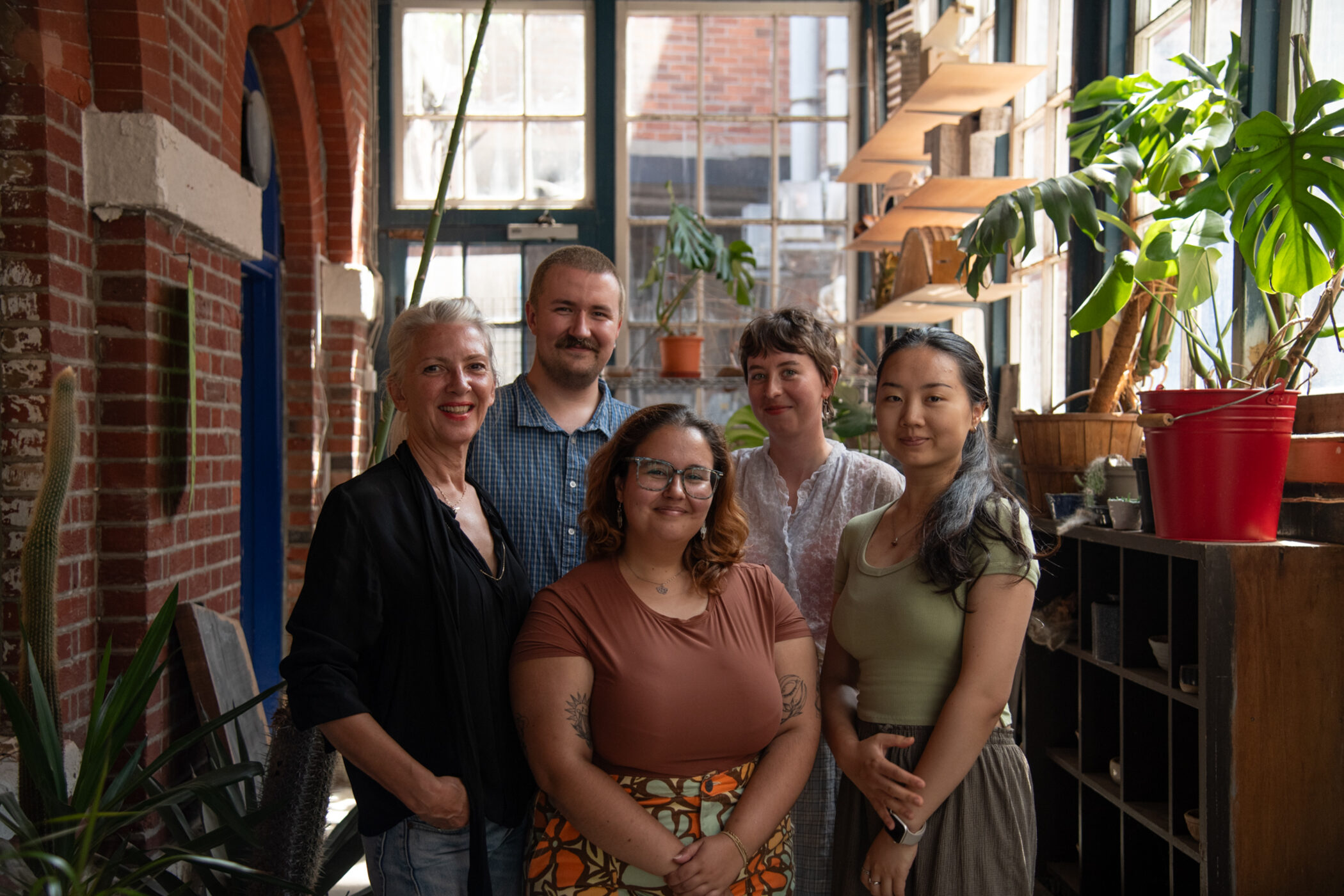
Building trust with the community whose history we're working with meant being transparent about who we are, not just what we made. So alongside the archive itself, we created this page.
Building trust with the community whose history we're working with meant being transparent about who we are, not just what we made.
We treated our own process as something worth documenting properly, keeping records and interviews from our sessions, so the reasoning behind decisions is visible and traceable, not just the finished result.
Throughout the project, we reviewed drafts and gave feedback on the website as it was developed, checking that the design matched the ideas we'd been working through as a group and adjusting details as the site took shape.
Watch the Process
Video coming soon
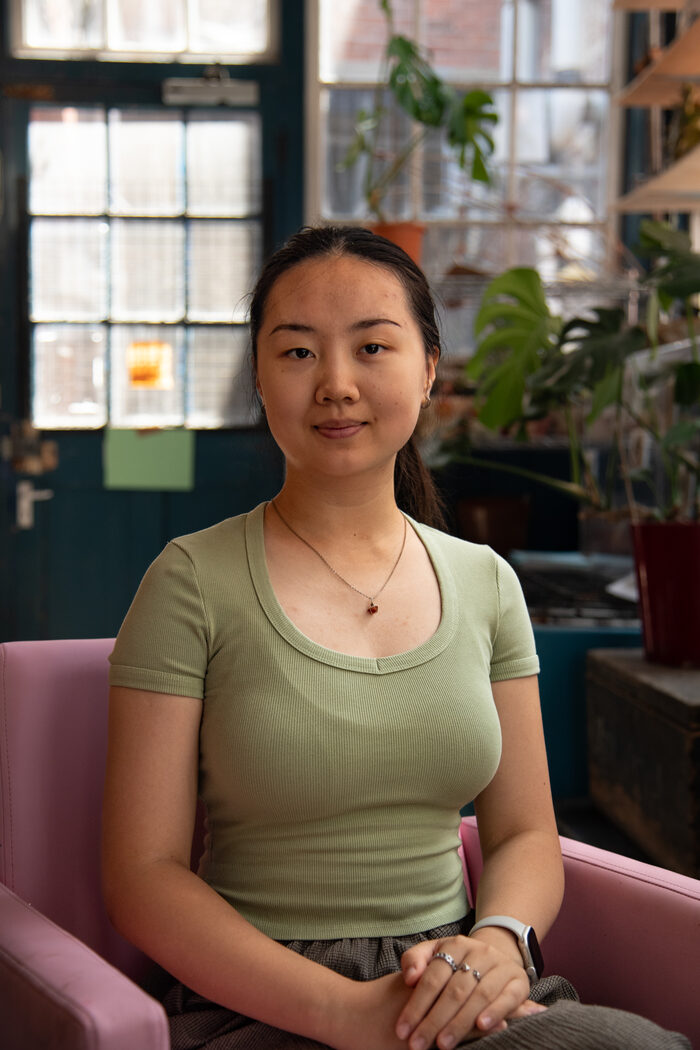
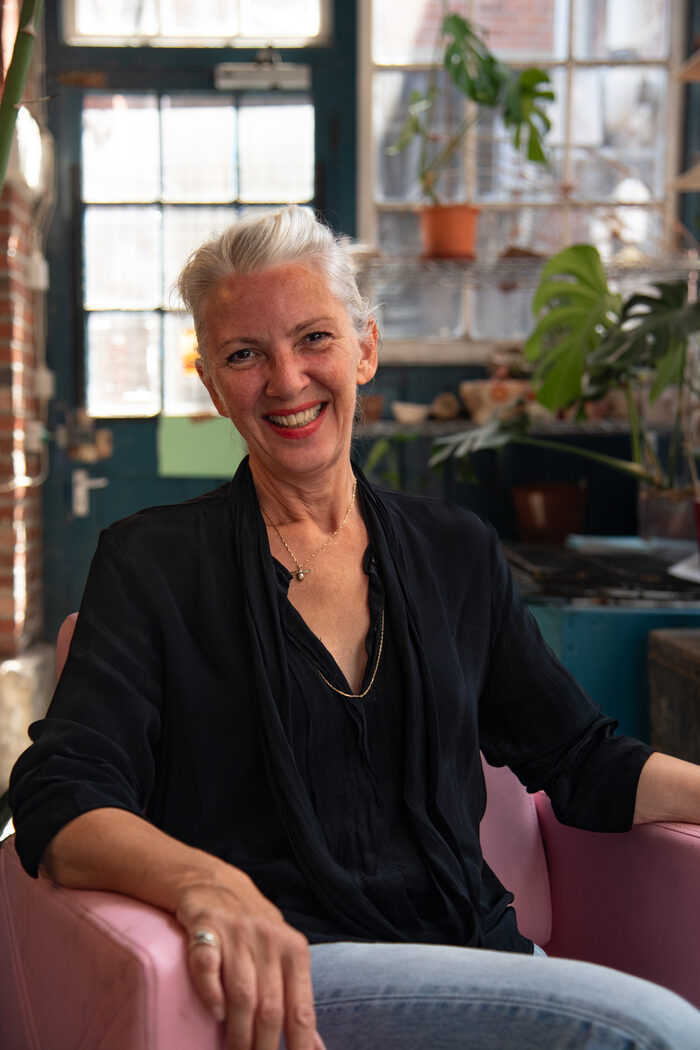
The Alternative Archiving Group
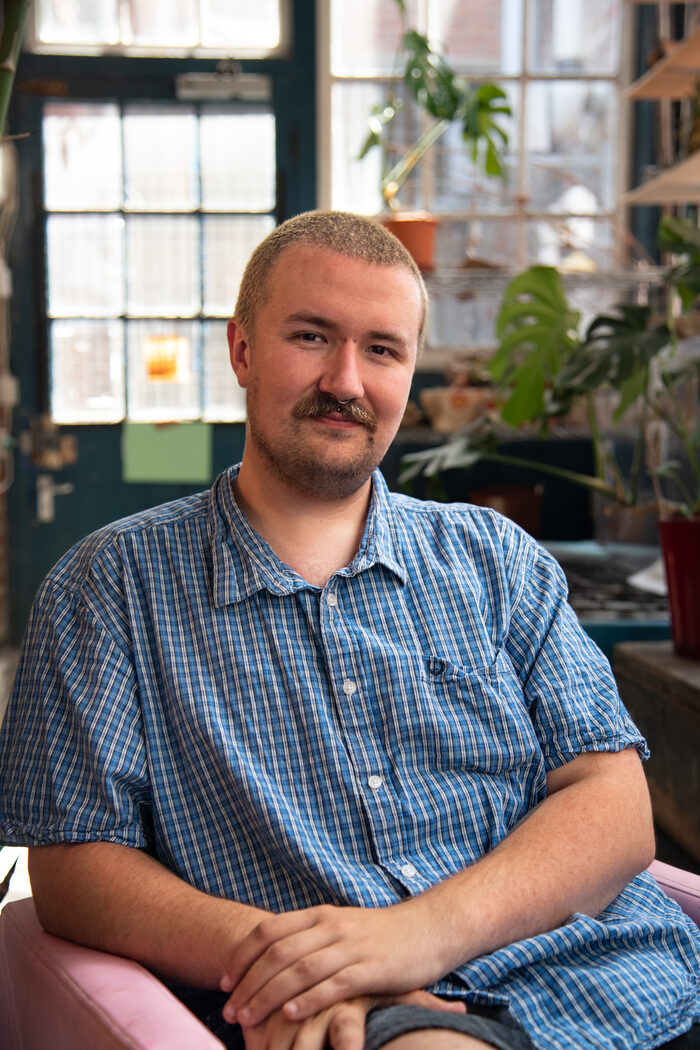
- Harry Payne He/Him
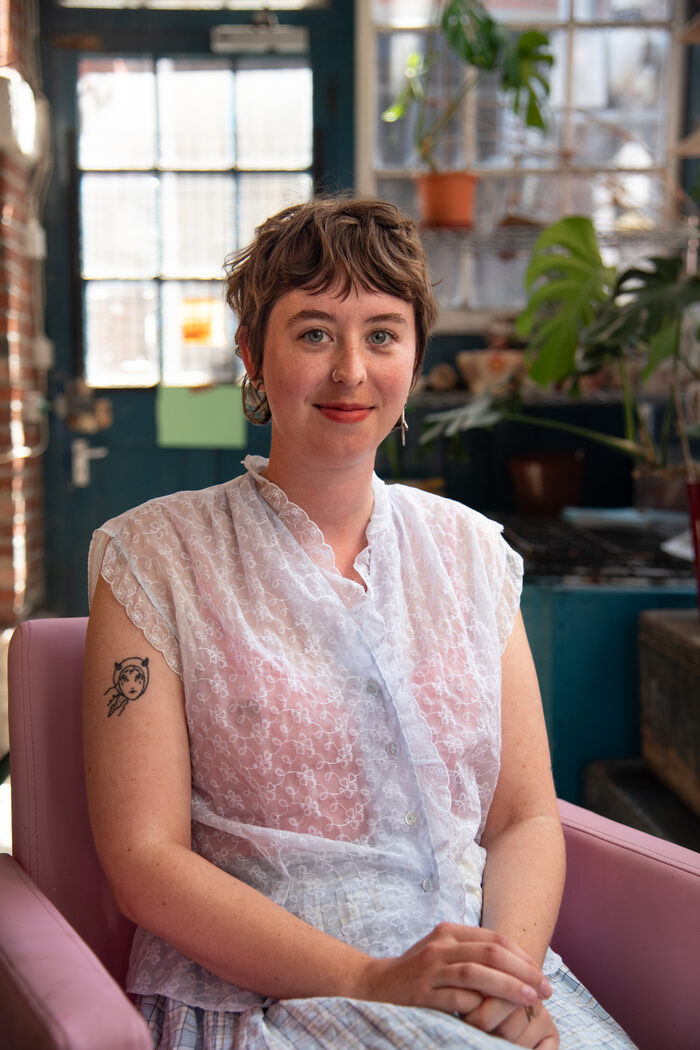
- Hannah Buckingham They/Them
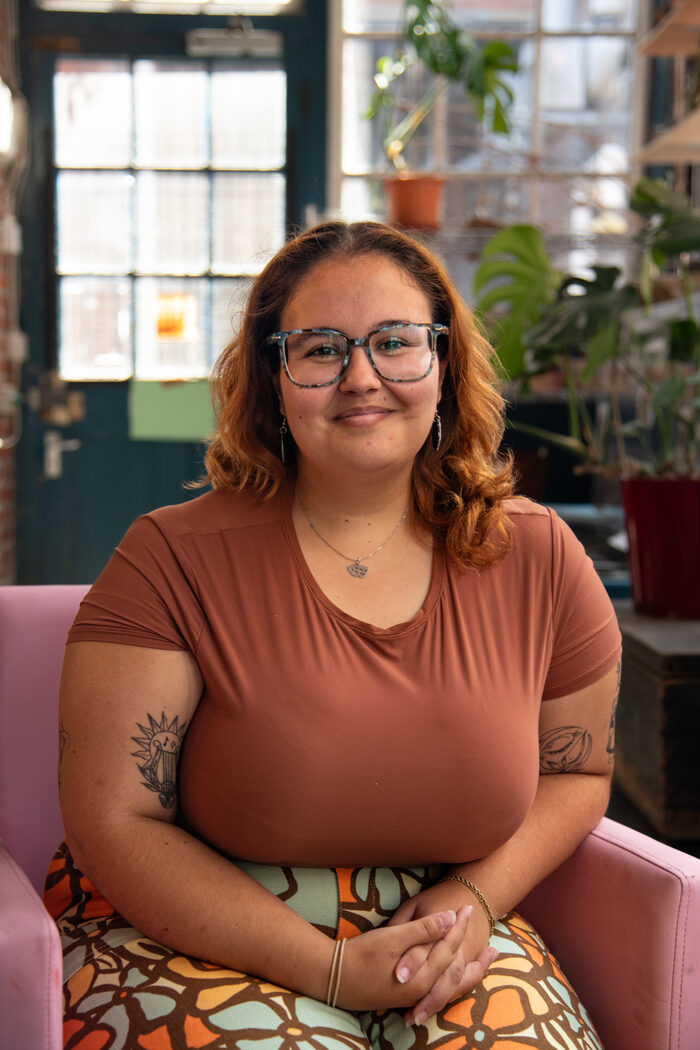
- Ines They/Them, She/Her
- Mohan (Moxie) Xie She/Her
- Helen Goss She/Her